Leadership in Tech 101: What Every Modern Tech Leader Must Know
The tech industry moves fast—really fast. New tools, new frameworks, new competitors, and new expectations seem to appear every few months. In this environment, strong leadership isn’t just valuable; it’s essential. But leading in tech today requires a very different skill set from traditional management.
Whether you’re a new engineering manager, a senior IC looking to influence more effectively, or a founder building your first team, this Leadership in Tech 101 guide breaks down the fundamentals every modern tech leader should master.
Lead Through Clarity, Not Control
Great tech leaders don’t micromanage—they set direction.
Engineers thrive when they understand:
The “why” behind the work
Clear success criteria
How their work connects to the bigger mission
Instead of dictating solutions, effective leaders:
Provide context
Remove blockers
Let teams own the “how
Clarity scales. Control does not.

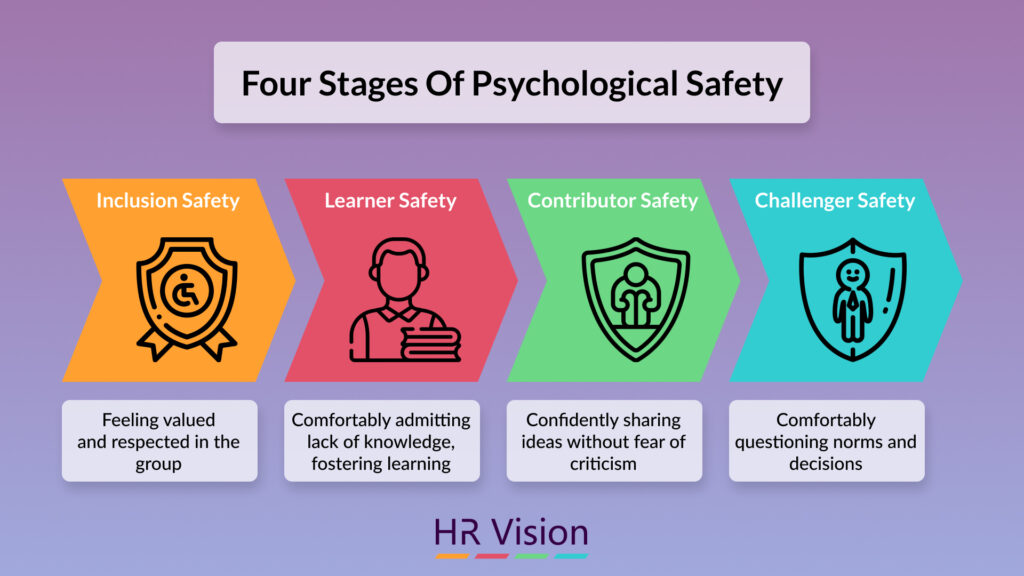
2. Foster Psychological Safety
High-performing engineering teams have one thing in common: a culture where people feel safe to speak up.
Psychological safety encourages:
Admitting mistakes without fear
Discussing trade-offs openly
Sharing unconventional ideas
Asking questions without judgement
Innovation dies when fear enters the room. Safety creates speed.
3. Build Systems, Not Heroics
Tech leadership isn’t about being the smartest person in the room.
It’s about building systems where:
Decisions don’t bottleneck on you Knowledge flows, not hides Processes are lightweight but reliableTeams can move quickly without chaos
The best leaders eliminate single points of failure—including themselves.
4. Communication Is Your Most Important Tool
As you grow in leadership, you write less code—but you communicate more.
Great tech leaders excel at:
Explaining complex ideas simply
Translating between technical and non-technical stakeholders
Writing clear documentation
Communicating decisions and trade-offs
Listening deeply
If leadership is influence, communication is how you wield it.
5. Invest in People, Not Just Projects
It’s easy to get absorbed in sprints, deadlines, and launches. But teams don’t grow from roadmaps—they grow from leaders.
Strong leaders:
Mentor engineers
Give useful, actionable feedback
Recognize effort and impact
Create growth opportunities
Good projects ship once.
Good people ship for years.
6. Make Decisions with Data—But Don’t Forget Judgement
Tech leaders balance:
Quantitative data (metrics, logs, analytics)
Qualitative context (team insights, customer feedback)
Strategic judgement (what’s right long-term, not just convenient now)
Data informs decisions, but leadership makes them.
7. Embrace Change—and Help Others Navigate It
Tech evolves constantly. Leadership means:
Adapting to new technologies
Responding to market shifts
Making tough prioritization calls
Guiding teams through uncertainty
People look to leaders during change.
How you handle it sets the tone.
Lead by Example
In tech, credibility matters. The best leaders:
Follow the same standards they expect
Are transparent about mistakes
Demonstrate humility and curiosity
Show resilience when things get hard
Leadership isn’t about authority—it’s about influence through behavior.

Final Thoughts
Leadership in tech is less about knowing every technology and more about empowering people to build great things with technology. If you can:
communicate well,
build trust,
remove blockers,
guide with clarity,
and nurture talent—
then you’re already on your way to becoming an exceptional tech leader.
If you want, I can also create:
✅ A downloadable PDF version
✅ A shorter LinkedIn-friendly edition
✅ A visual infographic
✅ A “Leadership in Tech 201” advanced follow-up
Just tell me what you’d like!